



Welcome, how close are you to the Edge?
Stratus is helping transform your
industry with innovative solutions
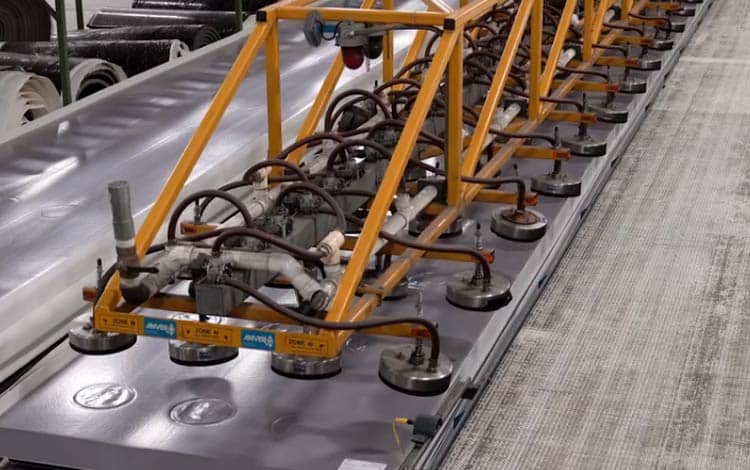
Rubberlite
“We were really impressed with the scalability that the Stratus was able to offer us”
Jessica Spurlock
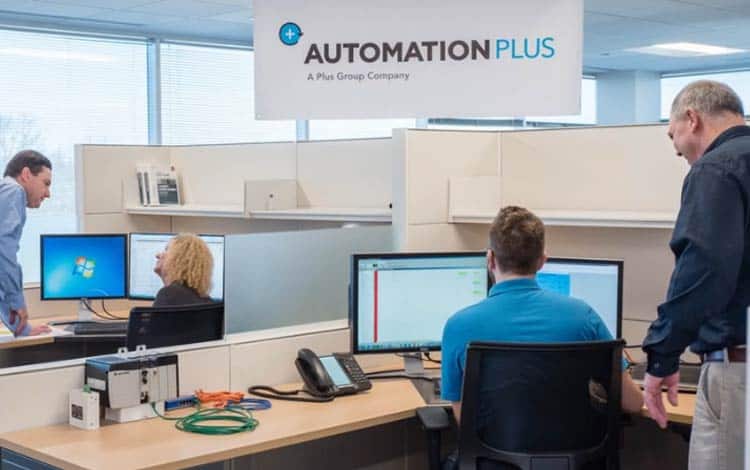
Automation Plus
“They’ve got a solid solution that is going to last, is easy to maintain, and comes from trusted key partners”
John Glenski

Stratus Solutions
No matter the industry, companies are under unprecedented pressure to optimize business performance and efficiency. Automation and modernization are key – and downtime or lack of security are not an option. You work in an “Always On World.”
Stratus solutions collect and analyze data at the source – the Edge of your core business processes. Whether you manage an assembly line, an oil and gas pipeline, water treatment plant, a smart building process, or biotechnology and device organization, you need to turn data into actionable results. Far from the cloud or your data center, decisions and actions need to be made at the edge, in real time with the right information, in the right place.
Our solutions and platforms are simple to install and implement, they operate autonomously with constant availability in rugged environments, and can protect your data, security, and reputation – at the Edge of your business. Stratus solutions are Simple, Protected, Autonomous.
 Company